

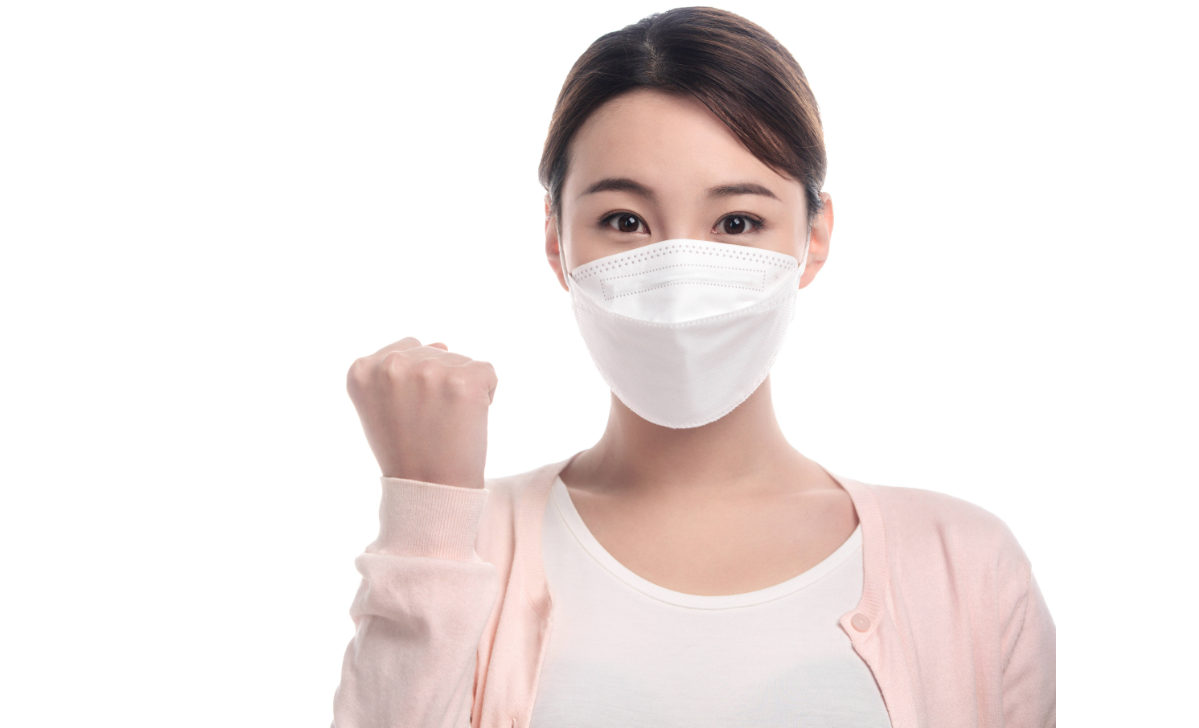
Influenza is the abbreviation of influenza, which is an acute respiratory infectious disease caused by influenza virus. It belongs to Class C infectious disease in China. Typical symptoms of influenza infection include fever (even high fever of 39 degrees Celsius or above), cough, sore throat, muscle and joint pain, and headache
Influenza is a self-limiting disease. When the patient is in good physical condition and does not have other underlying diseases or high-risk factors, the patient can rely on the immune system to heal within a week
Personal protection is particularly important in the context of a continued high incidence of influenza. Wearing a mask, timely vaccination, hygiene, fewer gatherings, and maintaining a healthy life are effective ways to prevent influenza
If a child develops suspected flu symptoms, seek medical attention in a timely manner. Parents should not use anti-inflammatory drugs or antibiotics on their children until the doctor has diagnosed the flu
Recently, most provinces across the country have entered the influenza epidemic stage. With the increase of personnel mobility and social interaction, the level of influenza activity in this spring will further increase, and the epidemic peak will continue for some time. Here, we remind the general public to continue to do well in personal protection, and please wear masks as a "protective tool".
What is influenza? Why are schools and nurseries prone to influenza virus transmission?
Influenza is the abbreviation of influenza, which is an acute respiratory infectious disease caused by influenza virus. It belongs to Class C infectious disease in China. Typical symptoms of influenza infection include fever (even high fever of 39 degrees Celsius or above), cough, sore throat, muscle and joint pain, and headache. Influenza is a self-limiting disease. When the patient is in good physical condition and does not have other underlying diseases or high-risk factors, the patient can generally heal within a week by relying on the body's immune system.
Influenza is mainly transmitted through the respiratory tract, can also be transmitted through droplets such as sneezing and coughing, and can be directly or indirectly infected through mucous membranes such as the mouth, nose, and eyes.
How should schools prevent and control influenza on a daily basis?
First, carry out symptom monitoring. Schools can conduct morning and afternoon examinations for students and faculty members, and track and register absenteeism due to illness. Teachers and students who are found to be physically abnormal can be promptly dealt with. Second, do a good job of daily protection. Maintain a clean environment in public places on campus, maintain air circulation in classrooms, dormitories, canteens, and other places, and regularly open windows for ventilation. Public goods and parts that teachers and students often contact should be regularly cleaned and disinfected. Third, guide students to develop good personal hygiene and living habits. When coughing and sneezing, cover your mouth and nose with a tissue or sleeve. If you experience fever and/or respiratory tract infection, wear a mask when contacting the patient. Fourth, carry out education on influenza prevention and control knowledge on campus to enhance the awareness of teachers and students to be the first responsible person for their own health.
How should students and parents prevent influenza?
In the context of a high incidence of influenza, it is particularly important to do a good job of personal protection and prevent influenza.
First, wear a mask. The simplest and most effective way to prevent influenza is to wear a mask. Influenza is mainly transmitted through the respiratory tract. Wearing a mask can provide a filtering barrier to our respiratory system, prevent contact with viruses excreted by others when sneezing or coughing, and protect ourselves from infection by others.
Second, timely vaccination. Influenza vaccination is the most important means to prevent the occurrence of influenza and severe influenza. Influenza vaccines require annual vaccination to obtain effective protection due to strain mutations and antibody decay.
Third, pay attention to hygiene and reduce gathering. Pay attention to personal hygiene habits and wash hands frequently; Try to wash your hands with hand sanitizer, soap, and running water to prevent the spread of influenza virus through the mucous membrane. The house is frequently ventilated every day to keep the air fresh. Try to avoid going to places with dirty air and reduce the risk of virus transmission.
Fourth, maintain a healthy life. Recently, the weather is changing rapidly, so attention should be paid to keeping warm, and clothing should be added or subtracted according to temperature changes in a timely manner. Parents should pay attention to observing their child's physical condition. Once they have symptoms such as fever, diarrhea, and vomiting, they should not let their child go to school or kindergarten with illness.